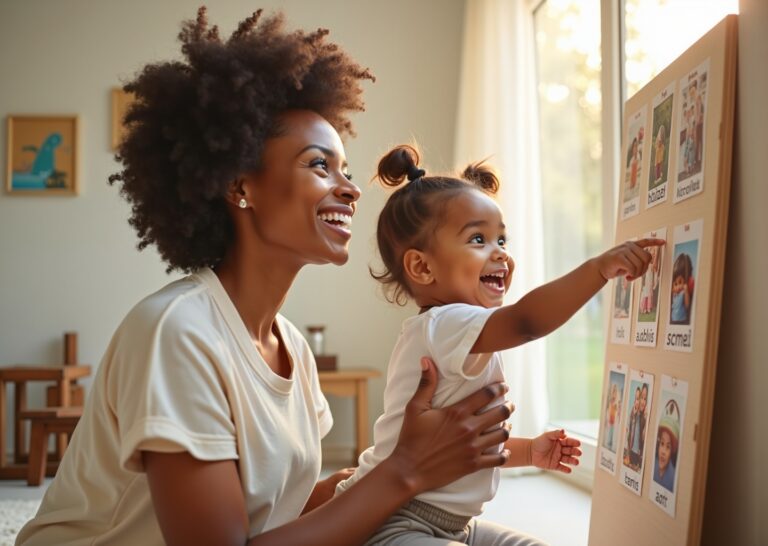
Baby sign language can help toddlers communicate sooner, reduce frustration, and accelerate spoken vocabulary when used alongside verbal input. This article explores evidence-based benefits, age-appropriate signs, play-based strategies to boost vocabulary at home, milestone cues to watch, bilingual and special-needs considerations, and when to consult a speech-language pathologist.
Why Baby Sign Language Works
The gap between what a baby understands and what they can physically say is a well-documented phase in early development. Most infants begin to grasp the meaning of common words around six months of age. However, the complex coordination of the tongue, lips, and vocal cords required for speech usually does not mature until twelve months or later. This six-month window is often a source of significant communicative frustration. Baby sign language serves as a functional bridge during this period by utilizing the child’s developing motor skills.
The Science of Symbolic Gestures
The theoretical foundation for signing lies in the natural progression of language. Infants are biologically primed to use gestures before they master verbal sounds. A child will point to a toy or reach for a bottle long before they can name those objects. By introducing specific signs, parents are simply giving a formal structure to this natural behavior. This process supports joint attention, which is the ability of two people to focus on the same object. When a caregiver signs “milk” while showing a bottle, it creates a shared focus that strengthens the social foundation of communication.
Reputable organizations such as the American Speech-Language-Hearing Association (ASHA) and various pediatric bodies have examined the outcomes of early signing. The consensus is that signing complements spoken language rather than replacing it. Research indicates that infants who use signs often demonstrate earlier intentional communication. These children learn the “rules” of conversation, such as turn-taking and signaling intent, while their vocal apparatus is still developing. You can find more details on these findings in the Research on Baby Sign Language.
Multimodal Input and Memory
One reason signing works so effectively is the mechanism of multimodal input. When a baby sees a sign and hears the corresponding word at the same time, the brain receives two distinct types of sensory information. This dual coding makes it easier for the infant to encode and retrieve the concept later. It creates stronger neural pathways associated with a single word. This visual plus auditory experience acts as a powerful memory aid.
Furthermore, signing provides essential motor practice. Fine motor control in the hands typically develops slightly ahead of the precise oral-motor control needed for speech. By using their hands to communicate, babies are exercising the parts of the brain responsible for language processing. This mental exercise prepares them for the transition to verbal speech. The Enhancing Early Communication through Infant Sign Training study highlights how these gestures support infants who have not yet reached vocal milestones.
Reducing Frustration and Enhancing Responsiveness
A major benefit of baby sign language is the reduction in behavioral challenges. Most toddler tantrums are the result of an inability to be understood. When a child can sign “help” or “all done,” they gain a sense of agency over their environment. This empowerment leads to fewer emotional outbursts. A study on The Efficacy of Baby Sign Language in Reducing Problem Behavior suggests that providing a symbolic outlet for needs can significantly lower frustration levels for both the child and the caregiver.
Signing also increases caregiver responsiveness. When a baby uses a clear sign, the parent can respond accurately and immediately. This successful interaction reinforces the child’s desire to communicate. It teaches them that their efforts to reach out are effective. This positive feedback loop encourages the baby to attempt more communication, which eventually includes vocalizations.
Addressing the Speech Delay Myth
A common misconception is that signing will make a baby “lazy” and delay their verbal speech. Parents often worry that if a child can get what they want with a hand gesture, they will not bother to talk. Research consistently shows the opposite. Signing acts as a scaffold for speech. As a child becomes physically capable of producing sounds, they naturally transition to verbal words because speech is faster and more efficient. Speech allows them to communicate while their hands are busy or when they are not in the same room as the listener.
The About Language Learning lab at UC Davis notes that signing babies often have larger vocabularies and more advanced cognitive development. The gestures provide a conceptual framework that the verbal words eventually fill. Once the vocal skills catch up, the signs typically fade away on their own.
Realistic Expectations and Net Benefits
While the benefits are substantial, it is important to maintain realistic expectations. Baby sign language is a tool for connection, not a guarantee of accelerated intelligence. Every child develops at their own pace. Some infants will pick up dozens of signs, while others may only use a few high-impact gestures like “more” or “eat.”
Net Benefits
- Earlier ability to express specific needs and desires
- Significant reduction in communicative frustration and tantrums
- Stronger social bonding through increased joint attention
- Enhanced caregiver responsiveness and understanding
- Support for larger verbal vocabularies in the long term
Limitations
- Requires consistency and patience from all primary caregivers
- Initial learning phase can take several weeks or months
- Does not replace the need for constant verbal interaction and reading
- Every child has a unique timeline for adopting symbolic gestures
By understanding these mechanisms, parents can use signing as a low-stress way to support their child’s natural language journey. It provides a window into the baby’s mind long before they can speak their first full sentence.
Getting Started with Age Appropriate Signs
Starting a signing practice at home does not require a classroom or a special certification. It begins with observing your child and identifying the moments when they are most eager to tell you something. Most families find success by matching signs to the physical milestones their baby is already hitting.
Developmental Stages and What to Expect
The Introduction Phase (6 to 9 Months)
At this age, babies are developing the fine motor skills needed to wave or point. You can start introducing basic gestures now. Do not expect your baby to sign back immediately. This stage is about building their receptive language. They are learning to associate a specific hand movement with an object or an action. Focus on one or two high-value signs like milk or mama. You might notice your baby watching your hands closely. This is a sign of progress. Research on Baby Sign Language suggests that this early exposure helps build the cognitive foundations for later communication.
The Meaningful Combination Phase (9 to 18 Months)
This is often when the first signs appear. Your baby might start with a simplified version of a sign. A sign for more might look like a single clap. Accept these approximations; fine motor skills are still developing. Between 12 and 18 months, children typically master several single signs and may begin to combine them (e.g., signing “eat” and “crackers”). Their frustration levels often drop during this period because they can finally express specific needs without crying.
The Transition to Speech (12 to 24 Months)
As your child’s vocal cords and mouth muscles mature, they will start to say the words they have been signing. You will see a bridge effect. They might sign water while attempting to say the word. Eventually, the spoken word will become easier than the gesture. The sign will naturally fade away as their verbal vocabulary grows. This overlap is a healthy part of development. Enhancing Early Communication through Infant Sign Training shows that signing does not stop a child from talking. It actually gives them a way to practice language before they can speak clearly.
Baby Sign Language vs. American Sign Language (ASL)
It is helpful to distinguish between “baby sign” and formal American Sign Language (ASL). Baby sign language is typically a simplified adaptation of ASL. It focuses on individual vocabulary words (lexicon) rather than the complex grammar, syntax, and facial expressions required for full ASL fluency. Many parents use ASL signs but do not follow ASL sentence structure. For those interested in the formal acquisition of the language, you can review ASL Developmental Trends Among Deaf Children. For the purpose of early toddler communication, using isolated ASL signs within spoken English sentences is the standard approach.
High Impact Starter Signs
Focusing on these twenty signs provides a solid foundation for daily life. These words represent high-motivation items or essential needs.
| Sign | Why It Is Useful |
|---|---|
| Milk | This is often the first sign because it represents a primary comfort and need. |
| More | A very versatile sign that can be used for food, play, or songs. |
| Eat / Food | Helps distinguish between being hungry and just wanting a drink. |
| Mama | Builds social connection and helps the baby get your attention. |
| Dada | Essential for identifying the other primary caregiver. |
| Sleep | Useful for establishing bedtime routines and signaling tiredness. |
| All Done | Reduces mealtime frustration by letting the baby signal they are finished. |
| Please | Introduces early social manners and reduces grabbing. |
| Thank You | Reinforces positive social interactions. |
| Help | A major frustration-saver when a baby cannot reach a toy or open a box. |
| Ball | Great for play and encouraging turn-taking. |
| Book | Perfect for transition times and quiet play. |
| Bath | Helps the baby prepare for the evening routine. |
| Water | A specific request that helps once they start solids. |
| Potty | Useful for early communication about physical needs. |
| Bed | Signals the end of the day or nap time. |
| Play | Lets the baby initiate an activity with you. |
| Dog | Commonly used for family pets or animals seen on walks. |
| Cat | Another high-interest animal sign for many households. |
| Hot | A safety sign used for food or stoves. |
How to Model Signs Naturally
The most effective way to teach is to integrate signs into what you are already doing. Use the sign, say the word, and show the object at the same time. If you are offering a bottle, hold it up. Say the word milk clearly. Make the sign with your free hand. This triple association helps the baby’s brain map the concept. Keep your sessions short. You do not need to set aside an hour for signing. Instead, use signs for thirty seconds during a diaper change. Use them for a minute during lunch. Playful repetition is better than forced practice. Make eye contact when you sign. This ensures the baby is focused on your hands and your face.
Consistency Across Caregivers
Everyone who spends time with the baby should use the same signs. If you use the ASL sign for more but a grandparent uses a different gesture, the baby will get confused. Create a simple cheat sheet. You can print out photos of the signs and stick them on the refrigerator or high chair. This helps babysitters, siblings, and partners stay on the same page. When everyone uses the same language, the baby learns much faster.
Troubleshooting and Realistic Timelines
Baby is not copying you
This is the most common concern. Many babies go through a long period of observation. They are absorbing the information. Continue signing even if they do not respond. They might suddenly start using five signs at once after weeks of silence. Ensure you are signing within their line of sight; if they look away, wait for eye contact before signing again.
Inconsistent use
Your baby might sign more for a week and then stop. This often happens when they are focusing on a different skill like crawling or walking. Their brain is busy with motor development. Just keep modeling. The sign will return once the new physical skill is mastered.
Scripts for Daily Use
Use short phrases to keep things simple.
“Do you want more?” (Sign more).
“Milk is all done.” (Sign milk and all done).
“Let’s read a book.” (Sign book).
“I can help you.” (Sign help).
Expect to wait anywhere from two weeks to two months to see the first sign. It depends on the age of the child and how often they see the signs. Keep a simple log on your phone or a notepad. Write down the date you started a sign and the date the baby first used it. This helps you see the progress that might feel slow in the moment. Tracking these small wins keeps you motivated to continue the practice.
Everyday Routines and Play Based Strategies
Integrating signs into your daily life works best when it feels like a natural part of your interaction rather than a formal lesson. Using these gestures during repetitive routines helps your toddler predict what comes next. This predictability builds the foundation for language. When a child knows that a specific movement leads to a specific result, they feel empowered to communicate. Research on Baby Sign Language suggests that this early communication supports cognitive growth by giving children a way to express thoughts before their vocal cords are fully ready.
Mealtimes and Table Interaction
High chairs provide a captive audience and a clear focus on objects. This is the perfect environment for functional signing.
The Choice Game
Hold up two different snacks, such as a cracker and a piece of fruit. Ask your child which one they want. Wait for them to reach or point. Before giving the item, model the sign for eat. Say the word clearly as you move your hand to your mouth. This teaches them that the sign represents the action of eating the chosen food.
The More Request
Give your toddler a very small portion of their favorite food. When they finish, wait a few seconds. If they look at you or reach for more, model the sign for more by tapping your fingertips together. Say the word more. Once they attempt the sign or even just watch you closely, give them another small piece. Repeat this several times to reinforce the connection.
The All Done Signal
When your child starts playing with their food or turning away, they are finished. Before you unbuckle them, sign all done by twisting your open palms. Say the phrase all done. Do this every single time the meal ends. Eventually, they will use this sign instead of throwing food or crying to get down.
Diaper Changes and Dressing
These moments happen multiple times a day. They offer a close, face-to-face connection that is ideal for learning.
The Change Warning
Before you pick up your child for a diaper change, sign change by rotating your closed fists. Say it is time to change. This reduces the surprise and resistance often associated with stopping play. It builds a transition bridge between activities.
The Clean Sensation
As you wipe your child, sign clean by sliding one palm over the other. Say you are all clean now. This introduces a descriptive concept. It helps the child associate the physical feeling of being fresh with a specific word and gesture.
The Help Request
When putting on shoes or a jacket, wait for a moment of struggle. If the child gets frustrated, model the sign for help by placing a fist on an open palm. Say do you need help. Give them the chance to try the sign before you finish the task. This replaces frustration with a functional request.
Bath Time Sensory Play
Water play is naturally engaging. It provides many opportunities for repetitive signing in a relaxed setting.
The Water Splash
Pour water from a cup. Sign water by tapping three fingers against your chin. Say look at the water. Encourage your child to splash the water after you sign. This links the sign to the physical property of the liquid.
The Bubble Pop
Blow bubbles into the tub. Sign bubbles or more. Every time you are about to pop a bubble, pause. Sign more and wait for eye contact. This teaches turn-taking. It also encourages the child to anticipate the fun interaction.
The Duck Search
Hide a rubber duck under a washcloth. Sign where and then sign duck. When you reveal the toy, sign duck again with a cheerful voice. This game builds joint attention. It shows that signs can represent objects even when they are temporarily out of sight.
Storytime and Shared Reading
Books are excellent for vocabulary building. Use simple, repetitive board books with large pictures.
The Book Choice
Hold up two books. Sign book by opening your palms like a cover. Ask which book should we read. This gives the child agency. It makes the sign for book a gateway to a preferred activity.
The Turn Page
Before flipping to the next page, sign turn. Say let us turn the page. Wait for the child to touch the book or look at you before you move. This creates a predictable rhythm. It helps the child understand that they can influence the pace of the story.
The Animal Label
Point to a picture of a dog or cat. Perform the sign for that animal. Say the name of the animal. Baby Sign Language: These Hands Were Made for Talking explains that children often find it easier to mimic hand shapes than complex vocal sounds for animal names. Use the same sign every time you see that animal in any book.
Outdoor Play and Exploration
The outdoors offers new sensory experiences. It is a great place to expand beyond basic needs.
The Bird Listen
When you hear a bird chirping, stop and point to your ear. Sign bird by pinching your fingers like a beak. Say I hear a bird. This encourages the child to pay attention to environmental sounds. It connects auditory input with a visual gesture.
The Ball Kick
Before kicking a ball, sign ball by forming a circle with your hands. Say get the ball. Kick it to the child. Wait for them to look at you before you kick it back. This builds the concept of back-and-forth play.
Sensory Games and Turn Taking
Games like peekaboo are more than just fun. They are foundational for communication.
Peekaboo with Signs
Cover your eyes. Instead of just saying peekaboo, sign where is mommy. When you uncover your eyes, sign there. This adds a linguistic layer to a classic game. It teaches the child that signs can be used for social games.
Sign and Wait
Use a wind-up toy or a musical box. Start the toy, then let it stop. Sign more or go. Wait for the child to attempt the sign before starting the toy again. This “expectant pause” is a powerful tool. It forces the child to realize that their communication has a direct effect on the world.
Strategies for Busy Parents and Groups
You do not need hours of dedicated practice. Two-minute routines are very effective. Sign while you are brushing teeth or putting on pajamas. Use signs during nursery rhymes like Itsy Bitsy Spider. In daycare settings, teachers can use signs during circle time. Signing the word sit or listen helps manage the group without raising the voice. It provides a visual cue for children who might be overwhelmed by noise.
Expanding Vocabulary and Phrases
Once your child uses single signs, start combining them. Use carrier phrases like more apple or help please. This mimics how spoken language develops from single words to sentences. Introduce synonyms by signing big and large for the same object. Use visuals like labeled toy bins. Put a picture of a block and the word block on the bin. Sign block when it is time to clean up. This reinforces the connection between the object, the sign, and the written word. Exploring infant signing to enhance responsive parenting – NIH notes that this responsive interaction strengthens the bond between caregiver and child. Always follow your child’s lead. If they are interested in a leaf, sign leaf. Joyful scaffolding means meeting them where they are and gently adding one more piece of information. Track these transfers by noting when a sign becomes a spoken word. This helps you see the bridge being built in real time.
Milestones Monitoring and When to Seek Help
Monitoring how your child grows into their communication skills is a vital part of the process. While every toddler moves at their own pace, having a clear framework helps you understand if the signing is effectively bridging the gap to spoken words. You can look for specific behaviors during different age windows to ensure progress is steady. Between six and nine months, the focus is on joint attention. This happens when your baby looks at an object and then looks back at you to share the experience. They might start using early gestures like reaching to be picked up or waving hello. At this stage, you are mostly modeling signs. You are building the mental connection between an action and a symbol.
Milestones from Nine to Twelve Months
By the time your baby reaches nine to twelve months, you will likely see the first intentional signs. They might sign for milk when they are hungry or use the sign for more during play. This is a major breakthrough because it shows they understand that their hands can influence the world. You will also hear the first spoken words around this time. Often, these are simple sounds like mama or dada. Using signs during this window helps reduce the frustration that comes when they know what they want but cannot say the full word yet. Research on baby sign language suggests that these early manual symbols improve cognitive development by allowing babies to express complex thoughts early. You can read more about this in the Research on Baby Sign Language. This period is about building a small but functional vocabulary of five to ten signs that represent their daily needs.
Growth Between Twelve and Eighteen Months
From twelve to eighteen months, signing usually becomes more consistent. Your toddler might start using a sign and a vocalization together. For example, they might sign for a ball while making a b sound. This is the bridge in action. Their spoken vocabulary is growing, but their hands are still more reliable for clear communication. You should see them using signs to label things in their environment, not just to ask for things. They might point at a dog and sign dog to show you what they see. This shows their language is moving from simple requests to social sharing. According to experts, these hands were made for talking long before the mouth can fully catch up. You can find more details on this transition at Baby Sign Language: These Hands Were Made for Talking. By eighteen months, many children have a mix of twenty to fifty signs and words.
Expanding to Two Word Combinations
Between eighteen and twenty four months, communication becomes much more complex. You will start to see two word combinations. A child might sign more and say juice at the same time. As their spoken vocabulary hits a certain threshold, usually around fifty words, you will notice a natural decline in signing. They will choose the easier method, which is speaking, as their mouth muscles become more coordinated. This is exactly what we want to see. The signs have served their purpose as a temporary bridge. If your child continues to sign while their speech grows, that is perfectly fine too. It often helps them clarify their meaning when they are excited or tired.
| Age Range | Expected Communication Milestones |
|---|---|
| 6 to 9 months | Joint attention starts. Babies follow your gaze. They use early gestures like reaching or waving. |
| 9 to 12 months | First intentional signs appear. Single spoken words often start. They understand simple commands. |
| 12 to 18 months | Signing becomes consistent. Toddlers use a mix of signs and words. Vocabulary grows to 20 plus items. |
| 18 to 24 months | Two word combinations emerge. Signing decreases as spoken language takes over the lead. |
Red Flags That Warrant Professional Evaluation
It is important to stay alert for signs that development might be stalled. If your baby is not babbling or using any gestures by twelve months, this is a reason to seek help. A lack of single words by fifteen to eighteen months is another red flag. You should also watch for any regression of skills. If a child was signing or speaking and suddenly stops, you need to contact a professional immediately. Other concerns include very limited eye contact or a weak ability to share attention with you. If you feel your child is not hearing you or does not respond to their name, a hearing test is the first step. Early intervention is highly effective, and waiting too long can make the gap harder to close. You can learn more about how signing supports children who struggle to speak at About Language Learning.
How to Document Progress
Keeping a simple log is the best way to track these milestones. You do not need anything fancy. A basic notebook or a note on your phone works well. Write down the date your child first used a specific sign or word. Note if they used it spontaneously or if they were imitating you. Short videos are also incredibly helpful. If you end up seeing a speech language pathologist, showing them a video of your child playing at home provides much better information than a description alone. It allows the expert to see the nuance in your child’s gestures and social engagement.
Modifications for Different Needs
For bilingual households, signing is a powerful tool. It provides a single visual anchor for two different spoken words. If you say milk in English and leche in Spanish, the sign remains the same. This helps the child understand that both words mean the same thing. For children with known developmental differences, signing is often a primary communication method. Children on the autism spectrum benefit from the visual and predictable nature of signs. It reduces the sensory load of processing spoken language. For children with hearing loss, signing is essential for language access. You can explore ASL Developmental Trends to see how signing growth looks in deaf children. If your child has motor delays, they might not form signs perfectly. You should accept their approximations as long as the meaning is clear.
When to Seek Professional Help
If you have any doubts, start with your pediatrician. They can perform a general screening and refer you to a specialist. A licensed speech language pathologist is the expert you need for communication concerns. In many areas, you can also contact your local early intervention program directly for a free assessment. During an assessment, a team will look at your child’s speech, movement, and social skills. They will determine if your child qualifies for services like speech therapy. Remember that seeking help early is a proactive step that gives your toddler the best chance to thrive. It does not mean you have failed as a parent. It means you are giving them the tools they need to succeed.
Final Takeaways and Action Plan
Core Principles for Success
Consistency is the most important factor in early communication. You should model signs every time you say the corresponding word. This repetition helps your child build a strong mental link between the movement and the meaning. Always pair the sign with the spoken word. This ensures that signing remains a bridge to verbal speech rather than a replacement for it. Your child needs to hear the sounds while seeing the gesture to understand how they work together.
Keep every session playful and stress free. Language learning happens best when a child is engaged and happy. If your toddler feels pressured, they might lose interest. Use signs during games, songs, and mealtime to make the process feel natural. You should also track milestones to see how your child is progressing. Note when they first understand a sign and when they first attempt to use one. If you notice a lack of progress or have concerns about their hearing or development, consult a professional. Early intervention can make a significant difference in long term outcomes.
A Four Week Starter Plan
Week 1. Core Signs in Daily Routines
Focus on five basic signs that relate to your child’s immediate needs. Good choices are milk, eat, more, all gone, and help. Use these signs during every meal and snack. When your child finishes their food, sign all gone while saying the words. If they want another bite, model the sign for more. Your goal for this week is simply to expose them to the signs in context. Do not worry if they do not sign back yet.
Week 2. Increasing Modeling and Adding Variety
Continue using the first five signs and add two more. Sleep and play are useful additions for this stage. Increase the frequency of your modeling. Try to use at least one sign every ten to fifteen minutes during active play. Research on baby sign language suggests that consistent exposure improves cognitive development. You are building a foundation for more complex communication.
Week 3. Sign and Word Combinations
Start focusing on pairing the sign with a clear, slow spoken word. If your child makes a gesture that looks like a sign, praise them and repeat the word. This is also the time to start a sign journal. Write down the date, the sign you modeled, and any response from your child. Tracking these small wins helps you stay motivated. You might notice that your child starts to understand more signs than they can actually produce. This is a normal part of enhancing early communication through infant sign training.
Week 4. Vocabulary Expansion and Review
Add signs for specific interests like book, ball, or dog. Review the progress you have made over the last month. Look at your journal to see how many signs your child understands. If they are starting to use signs on their own, encourage them by responding immediately to their requests. This reinforces the idea that communication is powerful and effective.
Checklist for Your Pediatrician or SLP
If you decide to seek professional advice, having specific information ready is helpful. Use this list to prepare for your appointment.
- List of signs your child understands when they see you use them.
- List of signs your child uses independently to communicate.
- The age when your child first attempted their first sign.
- A count of how many spoken words your child uses regularly.
- Notes on any frustration or tantrums related to communication.
- Video examples of your child signing or trying to speak during play.
Resources for Continued Support
There are many organizations and tools available to help you on this path. You can find reliable information through national speech language professional sites like the American Speech Language Hearing Association. They provide guidelines on typical development and when to seek help. Local early intervention contact points are also vital if you suspect a delay. For daily practice, look for starter sign decks or picture books that feature basic signs. Books like Baby Signs by Joy Allen or sign language flashcards can provide visual aids for both you and your toddler.
Long Term Language Support
As your child’s verbal skills grow, you can slowly phase out the signs. Most children naturally stop signing once they can say the word clearly. However, you can continue using signs for complex emotions or in noisy environments where speech is hard to hear. Continue to read together every day and describe the world around you. The goal is to create a language rich environment that supports all forms of expression.
Starting this process might feel overwhelming, but you can start small. Choose just one sign today and use it every time the opportunity arises. Enjoy the moment when your child finally makes that first connection. That small gesture is a huge step toward a lifetime of communication. You are giving your child the tools to be heard and understood, which is one of the greatest gifts a caregiver can provide.
Sources
- Research on Baby Sign Language — Research on baby sign language has found that teaching baby signs improved cognitive and emotional development.
- Exploring infant signing to enhance responsive parenting – NIH — A majority of mothers, 63.6%, reported teaching their infant signs in the prior year, and 61.4% of infants were using signs to communicate at 18 months (median …
- [PDF] The Efficacy of Baby Sign Language in Reducing Problem … — Baby sign is an emerging trend that is speculated to reduce the instances of tantrums, emotional outbursts, and frustration in typically hearing …
- Enhancing Early Communication through Infant Sign Training – PMC — Existing research suggests that there may be benefits to teaching signing to hearing infants who have not yet developed vocal communication.
- ASL Developmental Trends Among Deaf Children, Ages Birth to Five — The current paper examines young deaf children's acquisition of ASL skills, the rate of growth over time, and factors impacting levels and growth rates.
- Should I Teach My Child Baby Sign Language? – Parent Data — Only a few solid studies exist, and they don't show clear developmental advantages. In other words: baby sign language isn't harmful — and it …
- Deaf infants exposed to American Sign Language more attuned to … — The result –- early experiences in ASL matter: Deaf infants exposed to ASL demonstrated stronger gaze-following than age-matched hearing infants …
- About Language Learning — Research has shown that signing babies have larger vocabularies and more advanced cognitive development. Furthermore, if a baby has trouble speaking, speech …
- Baby Sign Language: These Hands Were Made for Talking — Signing with babies is based on the simple observation that children can be taught to use their hands to "talk" long before their mouths can catch up.
EMPTY