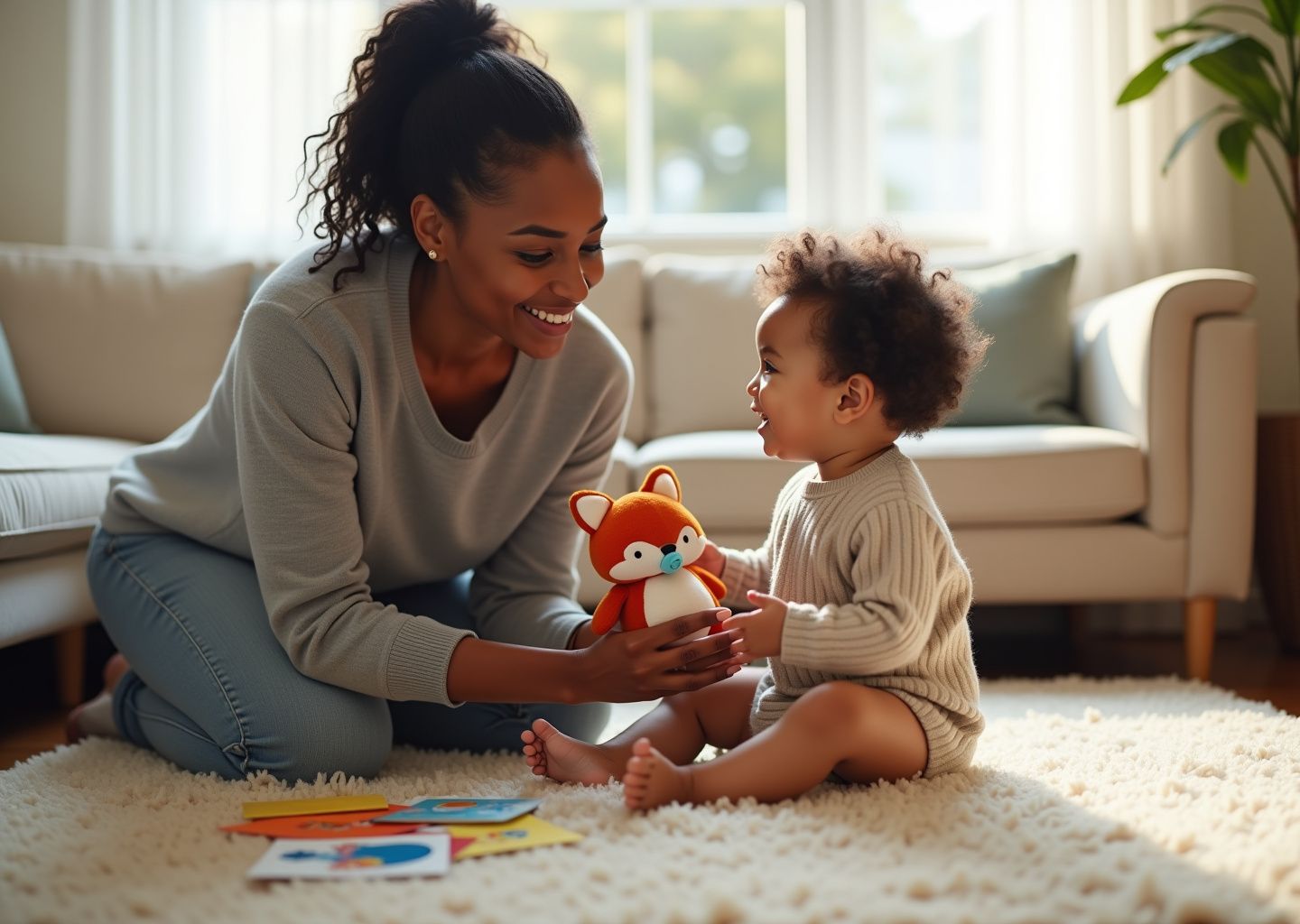
Pacifiers soothe infants but prolonged use can affect oral development and early speech. This article explains how pacifiers may influence articulation, when experts commonly recommend weaning to lower risk of speech and dental issues, and practical, parent-friendly strategies to wean while increasing vocabulary, play-based language practice, milestone checks, and when to consult professionals as needed.
Why pacifiers matter for early speech
For many parents, a pacifier is a lifesaver. It’s that magic tool that can calm a fussy baby in seconds, providing comfort and satisfying their natural need for non-nutritive sucking. This instinct to suck is strong in infants, helping them self-soothe and regulate. The benefits in the early months are well-documented. Most notably, the American Academy of Pediatrics (AAP) recognizes that offering a pacifier at naptime and bedtime is associated with a reduced risk of Sudden Infant Death Syndrome (SIDS), a significant comfort for new parents. In these early stages, the pacifier is a powerful ally for both baby and caregiver.
But as your baby grows into a toddler, the role of the pacifier begins to shift. What was once a helpful soothing tool can become a potential hurdle for development. This is where the short-term gains meet long-term trade-offs, particularly concerning speech and language. The conversation moves from simply providing comfort to thinking about how a pacifier fits into your child’s communication goals. It’s not about labeling pacifiers as “good” or “bad,” but understanding that their usefulness has a timeline.
Professional organizations offer guidance that reflects this changing role. The AAP suggests starting to wean from a pacifier in the second half of the first year, partly to reduce the risk of ear infections. When it comes to breastfeeding, they recommend waiting to introduce a pacifier until breastfeeding is well established, usually around 3 to 4 weeks of age, to avoid any potential confusion. Dental organizations, like the American Academy of Pediatric Dentistry (AAPD), focus on oral health. They note that while most children will not have long-term dental problems if the habit stops by age 3, some changes to the palate and teeth alignment can begin to appear earlier.
From a speech and language perspective, the concern is about what happens when a pacifier is in the mouth for many hours a day. Research shows a link between prolonged pacifier use and a higher likelihood of developing articulation issues. One influential study found that children who used a pacifier or sucked their fingers for three years or more were three times more likely to have a speech disorder. It’s important to understand that this risk is dose-dependent. A child who only uses a pacifier to fall asleep at night is in a very different situation than a toddler who has one in their mouth all day. The frequency and duration of use are what really matter. Constant use limits the time a child has to babble, practice sounds, and move their tongue, lips, and jaw in the ways needed for speech.
This is why it’s helpful to reframe the pacifier as more than just a comfort item as your child enters toddlerhood. It becomes a factor in their ability to explore sounds and communicate. With a pacifier in, a child is less likely to imitate your words or start a “conversation” with you using their own babbles and sounds. They are physically blocked from getting crucial practice.
So, when is the right time to think about weaning? While every child is different and you should always consult your pediatrician, clinicians often discuss a few key windows.
- Before 12 months. Many speech-language pathologists encourage weaning around 6 to 9 months. The SIDS risk has decreased, and your baby is entering a critical period for babbling and sound imitation.
- 12–18 months. This is a period of rapid language growth. Reducing pacifier use, especially during waking hours, gives your toddler more opportunities to talk and practice their oral motor skills.
- After 18–24 months. After this point, the risks of dental changes and significant articulation effects increase. Many dentists recommend aiming to be pacifier-free by age two if possible, and almost all agree the habit should be stopped by age three to avoid more persistent issues.
Thinking about these timelines isn’t meant to cause alarm, but to empower you with information. Understanding the shift from a helpful infant tool to a potential toddler obstacle allows you to make a proactive plan that supports your child’s long-term communication skills.
How pacifier use changes oral mechanics and affects articulation
While a pacifier can be a wonderful tool for soothing an infant, its role changes as a child grows and begins to master the complex art of speaking. The very presence of a pacifier in a toddler’s mouth alters the natural mechanics of their lips, tongue, and jaw. Over time, these alterations can create physical roadblocks to clear speech production. It’s not about the pacifier being inherently bad; it’s about how its prolonged use can reshape the mouth during a critical period of speech development.
Let’s break down what’s happening inside your toddler’s mouth.
Tongue Posture at Rest
When the mouth is at rest, the tongue should naturally press gently against the roof of the mouth, with the tip resting just behind the top front teeth. This posture is the starting point for many speech sounds. A pacifier, however, forces the tongue to sit low and often push forward. This can lead to a habit known as a tongue thrust, where the tongue pushes against the front teeth during swallowing and speaking, even when the pacifier is out. This becomes the tongue’s default “home base,” making it harder to move it to other positions needed for clear speech.
Lip Seal and Muscle Tone
A pacifier keeps the lips slightly parted, preventing them from sealing completely. This reduces the amount of practice your toddler gets in strengthening their lip muscles. Strong, coordinated lips are essential for sounds that require them to press together (like /p/, /b/, /m/) or to round (like /w/ and “oo”). Weak lip muscles can make these sounds sound less precise.
Jaw Alignment and Dental Changes
Constant sucking pressure can physically change the shape of the mouth. It can lead to a high, narrow palate (the roof of the mouth) and affect how the teeth come together. Dentists refer to improper teeth alignment as malocclusion. Two common types linked to prolonged pacifier use are:
- An open bite, where the front top and bottom teeth don’t meet when the mouth is closed, leaving a gap.
- A posterior crossbite, where the top back teeth fit inside the bottom back teeth, instead of slightly overlapping them.
These dental changes can directly interfere with the placement of the tongue for certain sounds, essentially creating physical obstacles to correct articulation.
So, how do these physical changes make specific sounds harder to say? It all comes down to movement and placement.
Sibilant Sounds like /s/ and /z/
To make a crisp /s/ or /z/ sound, the tongue tip needs to be positioned just behind the top teeth, allowing air to flow through a narrow channel. When a child has a tongue thrust, their tongue pushes forward against or between the teeth. This obstructs the airflow and turns the crisp /s/ into a slushy, lisped sound, often sounding more like /th/. You might hear “yeth” for “yes” or “thun” for “sun.”
Sounds Requiring Tongue Tip Elevation like /t/, /d/, /n/, and /l/
These sounds all require the tongue tip to lift up and touch the bumpy ridge behind the top front teeth (the alveolar ridge). A tongue that is accustomed to resting low and forward has to work much harder to make this upward movement. The lack of practice can make these sounds difficult to produce consistently and clearly.
Complex Sounds like /r/ and Consonant Clusters
The /r/ sound is one of the most complex sounds in English, requiring specific tongue tension and retraction. A forward tongue posture is the opposite of what’s needed. Consonant clusters, which are two or more consonants together (like in “spoon” or “street”), are also challenging. If a child is already struggling to produce an /s/ or /l/ on its own, combining it with another consonant becomes even more difficult.
The risk of these issues is closely tied to a dose-response relationship. The more a pacifier is used, the higher the potential for impact. A child who uses a pacifier all day is getting constant reinforcement of these unhelpful oral motor patterns and has fewer opportunities to babble and practice talking. In contrast, a child who only uses a pacifier for sleep is at a much lower risk for articulation issues, as their mouth is free to move and practice during their active, waking hours.
It is important to remember that there is variability. Not every child who uses a pacifier will develop a speech problem. Other factors play a huge role, including a history of ear infections that can cause temporary hearing loss, underlying developmental delays, and the amount of language-rich interaction a child receives. The pacifier is just one piece of a much larger developmental puzzle. However, by understanding how it can physically influence the tools for speech, you can make an informed decision about when and how to begin the weaning process.
Practical weaning plans and speech-friendly replacements to try at home
Moving from understanding why pacifiers can affect speech to knowing how to wean your child can feel like a huge leap. The key is a plan that respects your child’s age, temperament, and your family’s needs. Below are three age-tailored strategies, complete with scripts and speech-boosting activities to turn weaning into a positive step for communication.
The Gentle Plan for Infants Under 12 Months
For babies under one year, the goal isn’t immediate elimination but a gradual reduction. Pacifier use during sleep is associated with a reduced risk of SIDS, so the focus here is on limiting its use to sleep and moments of true distress, while ensuring it doesn’t interfere with breastfeeding or opportunities for babbling.
- Step 1. Prioritize Feeding Cues. Before offering a pacifier, always check for hunger cues first. This helps establish strong feeding patterns and ensures the pacifier isn’t masking a need for nutrition.
- Step 2. Reserve for Sleep. Start by making the pacifier a “sleepy time” tool. When your baby wakes up, the pacifier stays in the crib. This creates the first gentle boundary.
- Step 3. Reduce Non-Nutritive Sucking. If your baby is fussy during awake time, try other soothing methods first. Offer a cuddle, a change of scenery, a gentle rock, or a toy to mouth. The goal is to make the pacifier one of many comfort tools, not the only one.
Parent Scripts to Try
When baby is fussy: “I see you’re feeling unsettled. Let’s try a cuddle and a song first.”
When baby wakes from a nap: “Good morning, sunshine! Let’s leave your paci here to rest for your next nap.”
Speech-Boosting Replacements
Pacifier-free time is prime time for oral exploration. Encourage activities that build the foundation for speech.
- Mirroring Sounds. When your baby coos or babbles, babble right back. Imitate their sounds (“bababa,” “mamama”) to show them the power of vocal turn-taking.
- Oral Motor Play. Let your baby safely mouth age-appropriate teething toys of different textures. This helps them map their mouth and build jaw strength. Playing games like blowing raspberries builds lip control needed for sounds like /b/ and /p/.
The Progressive Wean for Toddlers 12 to 18 Months
This age is a sweet spot for weaning. Your toddler is beginning to understand simple rules but is still flexible. The focus is on eliminating daytime use entirely and introducing comfort alternatives.
- Step 1. Confine the Pacifier. Announce a new rule. “The paci now lives in your crib.” Keep all pacifiers in a container in their room and only offer it for naps and nighttime. Remove them from the car, the diaper bag, and common play areas.
- Step 2. Introduce a Comfort Substitute. Offer a special stuffed animal or a soft blanket as a new “lovey.” Talk it up. “Bunny is so soft and cuddly. He can help you feel cozy.” Encourage your toddler to hold their lovey during times they might normally want a pacifier, like during car rides or while watching a show.
- Step 3. Distract and Redirect. When your toddler asks for their pacifier during the day, acknowledge the request and immediately redirect. “You want your paci. It’s sleeping right now. Let’s go outside and blow some bubbles!”
Parent Scripts to Try
When they ask for it: “Your paci is resting in your bed. Do you want to get your special bear or read a book?”
For outings: “We don’t need the paci at the park. The park is for running and climbing! Let’s go!”
Speech-Boosting Replacements
With the pacifier out of their mouth during the day, your toddler has more freedom to talk.
- Narrate Your Day. Talk about everything you’re doing. “I’m washing the big red apple. Now I’m cutting it. Crunch, crunch!” This builds vocabulary in context.
- Practice Fun Sounds. Play with animal sounds (/moo/, /oink/, /baa/) and vehicle noises (/vroom/, /beep beep/). These sounds use a wide range of lip and tongue movements.
- Interactive Reading. Choose books with large, clear pictures. Point to an object and ask, “What’s that?” Pause and give them time to respond, even if it’s just a sound.
The Firm-but-Supportive Plan for Toddlers 18 to 24+ Months
By this age, the attachment is often stronger, requiring a more concrete and consistent plan. The goal is complete elimination, handled with empathy and celebration.
- Step 1. Create a “Goodbye” Story. Frame the removal as a positive milestone. You could say the “Pacifier Fairy” is coming to collect them for new babies and will leave a special “big kid” toy in return. Or you could “mail” them to a favorite character. Involve your child in gathering all the pacifiers in a special box.
- Step 2. Go All-In. Pick a weekend when you can be home and offer extra support. Once the pacifiers are gone, they are gone for good. Consistency is everything. Remove any hidden “emergency” pacifiers to avoid temptation.
- Step 3. Use a Reward System. A simple sticker chart can be very effective. Offer a sticker for every successful nap and night without the pacifier. After a certain number of stickers, they earn a special prize or outing.
- Step 4. Validate and Comfort. The first few nights will likely be tough. Expect tears. Stay calm and offer extra hugs, songs, or stories. Validate their feelings without giving in.
Parent Scripts to Try
During protest: “I know you miss your paci. It’s okay to feel sad. I’m right here to give you a big hug. Let’s read your favorite book one more time.”
In the morning: “You did it! You slept all night without your paci. You are such a big kid! Let’s put a star on your chart!”
Speech-Boosting Replacements
Use this transition to focus on more complex speech skills.
- Targeted Sound Play. If you’ve noticed certain sounds are tricky, build games around them. For /s/ sounds, pretend to be slithering snakes. For /k/ sounds, play with cars and make crashing noises.
- Oral Motor Fun. Use straws to have “races” blowing cotton balls across a table. This strengthens the muscles needed for controlled airflow during speech. Practice licking yogurt or applesauce off a spoon with just the tongue tip to improve tongue mobility.
A Note on Consistency and Setbacks
Communicate your plan clearly with all caregivers, including daycare providers and grandparents. A united front is crucial. Write down the plan and the scripts you’re using so everyone is on the same page. Expect some behavioral changes, like temporary sleep disruptions or increased crankiness. This is a normal part of the process. If your child gets sick or is going through another major transition, it’s okay to pause the plan. Just be clear that it’s a temporary break and you’ll get back on track once things are stable.
Frequently Asked Questions
Even with the best weaning plan, questions and uncertainties are bound to pop up. This is a big change for your little one, and it’s natural to wonder if you’re doing it right. Here are answers to some of the most common questions parents ask about navigating the transition away from pacifiers to support healthy speech development.
1. When is the best age to stop pacifier use to protect speech development?
The sweet spot for weaning is between 6 and 18 months. After 6 months, the primary SIDS risk reduction benefit wanes, and by 18 months, your toddler’s speech development is rapidly accelerating. Research shows that use for 3 years or more is associated with a significantly higher risk of speech sound issues. Next step: If your child is over one year old, begin by creating a plan to eliminate daytime pacifier use first.
2. Why do some experts say wean by 12 months while others say 18 months?
The 12-month recommendation focuses on preventing a stronger emotional attachment from forming and clearing the way for first words. The 18-month guideline provides a bit more flexibility, as significant dental and speech risks are still relatively low before this age. The most important factor is making consistent forward progress during this window, not hitting a single magic date. Next step: Look at your family’s calendar and choose a two-week period between 12 and 18 months to fully commit to a weaning plan.
3. Is night-only pacifier use less risky than all-day use?
Yes, significantly. All-day use physically blocks the tongue and lips from practicing the movements needed for babbling and talking, which is the primary concern for speech development. While prolonged night-only use can still pose dental risks, it is considered much lower risk for articulation. Next step: A great first goal is to establish a firm rule that pacifiers are only for sleeping and stay in the crib or bed.
4. How does pacifier use compare with thumb sucking for speech risk?
Both habits carry similar risks for creating an improper bite (malocclusion) and affecting tongue placement for speech sounds if they continue past age 3. The main difference is control; you can take a pacifier away, but you can’t remove a thumb. For this reason, many experts prefer pacifiers over thumb sucking in infancy. Next step: If your child is a thumb-sucker, consult with your pediatric dentist or an SLP for strategies, as breaking the habit can be more complex.
5. Will pacifier use cause a speech disorder or just make some sounds harder to learn?
It’s a major risk factor, not a guarantee of a disorder. Prolonged pacifier use can lead to a forward tongue thrust, where the tongue pushes against the front teeth, making it difficult to produce clear /s/, /z/, “sh,” “ch,” and “j” sounds. It doesn’t cause a broad language delay but can create specific articulation errors that may require therapy to correct. Next step: After weaning, listen to how your child produces “s” sounds in words like “sun” or “bus.” If they sound slushy or lisped past age 3, consider a speech evaluation.
6. Can I use a pacifier for sleep safety and still wean later?
Absolutely. The American Academy of Pediatrics (AAP) supports pacifier use at naptime and bedtime during the first year to help reduce the risk of SIDS. This protective benefit is strongest in the first six months. You can confidently use a pacifier for sleep safety in infancy and then begin a gentle weaning process as your baby approaches their first birthday. Next step: Follow AAP guidelines for safe sleep and plan to start your weaning journey around 9-12 months.
7. How should I handle daycare or grandparents who give pacifiers?
Consistency across all caregivers is crucial for success. A united front prevents confusion and meltdowns. Have a brief, positive conversation explaining your decision to wean and your new plan, emphasizing how they can be a helpful part of the team. Next step: Provide caregivers with the same comfort alternatives you use at home (like a specific stuffed animal) and the same simple script for when your child asks for the pacifier.
8. How quickly should I expect speech changes after weaning?
Don’t expect an overnight transformation, but you should notice more sound exploration. Within a few weeks, many parents report an increase in babbling, vocal play, and attempts at new words now that their child’s mouth is free. The immediate benefit is creating the opportunity for practice. Next step: Spend 10-15 minutes a day after weaning focused on fun oral motor games, like blowing bubbles or making silly sounds, to help your child discover what their tongue and lips can do.
9. What speech milestones should I monitor and when should I see an SLP?
Generally, look for a variety of babbled sounds by 9 months, first words around 12-15 months, and a vocabulary of 50+ words and two-word combinations by age 2. If your child isn’t meeting these broad milestones, or if their speech is very difficult for you to understand by age 2, it’s worth seeking a professional opinion. Next step: If you have concerns, contact your pediatrician for a referral to a Speech-Language Pathologist (SLP). Taking a few short videos of your child’s communication attempts can be very helpful to share during an evaluation.
10. When should I see a dentist about malocclusion?
The American Academy of Pediatric Dentistry recommends a child’s first visit by age 1. Prolonged, intense pacifier use can cause changes to the palate and teeth alignment, such as an open bite (where front teeth don’t meet). While many of these issues self-correct if the habit stops by age 3, it’s important to have it monitored. Next step: At your child’s regular dental check-ups, ask the dentist to assess their bite and palate, and be sure to mention their pacifier history.
11. Are there safe alternatives to pacifiers for soothing?
Yes, the goal is to shift the soothing mechanism from oral to something else. Tactile comfort items are wonderful replacements. Think of a small, soft blanket with a satin edge, a stuffed animal with different textures, or a “lovey” that can absorb your scent. Next step: Introduce a potential comfort object during cuddle times and routines *before* you start weaning, so it already has positive associations.
12. How do I handle the emotional upset during weaning?
Expect some tears; the pacifier was a reliable source of comfort, and its absence is a real loss. Your role is to be an “emotion coach,” not to stop the crying. Acknowledge the feeling, offer comfort, and hold the boundary. Next step: Use simple, validating language. Say, “I know you’re sad about the binky. It’s okay to be sad. Mommy is right here to give you a big hug.”
Conclusion and next steps
Navigating the pacifier weaning journey can feel like a big step, but you’ve already done the hard part by seeking out information. Let’s bring everything together into a clear, actionable plan. The core takeaway is that timing matters. While pacifiers offer comfort and can reduce SIDS risk in early infancy, prolonged use, especially after the first year, can interfere with the development of the tongue and jaw muscles needed for clear speech. It can also contribute to dental issues like an open bite, which makes producing sounds like /s/ and /z/ physically difficult. The goal isn’t to create a rigid deadline but to mindfully transition away from the pacifier during a critical window for language acquisition, generally between 12 and 24 months.
The most successful weaning strategies are gradual, consistent, and full of empathy. Abruptly taking the pacifier away can cause unnecessary stress for everyone. Instead, focus on slowly reducing dependency, replacing the pacifier with new comfort routines, and celebrating small wins. Remember, you are not taking something away; you are making room for new skills, sounds, and words to emerge. This process is a partnership with your child, and it’s okay if it takes time and has a few bumps along the way. Your patience and consistency are the most important tools you have.
Here is a simple checklist to guide you over the next month. You can adapt it to fit your family’s unique needs and your child’s temperament.
- Week 1: Observe, Plan, and Start Small.
Take a few days to just observe. When does your child ask for the pacifier most? Is it out of boredom, tiredness, or frustration? This information is powerful. Next, pick a potential “goodbye pacifier” date two to four weeks from now. Don’t announce it to your toddler yet. Your first action step is to eliminate mindless daytime use. Keep pacifiers out of sight and offer them only during predictable times like naps and bedtime. When your child asks for it at other times, redirect with a toy, a book, or a quick cuddle. - Week 2: Eliminate On-the-Go Use and Introduce Replacements.
This week, focus on removing the pacifier from outings, like car rides or stroller walks. This is a great time to introduce a special “car toy” or sing songs to keep them engaged. At home, start building new soothing rituals. If your child uses the pacifier to calm down from a tantrum, try validating their feelings (“You are so frustrated right now!”) and offering a hug or a quiet moment with a favorite stuffed animal instead. The goal is to show them other ways to manage big emotions. - Week 3: Tackle Naps and Monitor Speech.
This can be a challenging step. Start a new naptime routine that doesn’t involve the pacifier. Maybe it’s reading an extra book, singing a specific lullaby, or rubbing their back for a few minutes. There might be some protest, and naps might be shorter for a few days. Stay consistent. This is also a great time to actively listen to your child’s speech. Are they babbling more? Trying new sounds? Make a note of the sounds you hear and the words they are attempting. - Week 4: Say Goodbye to the Nighttime Pacifier and Plan Ahead.
This is the final step. Use one of the gentle “goodbye” methods we discussed, like leaving it for the “Pacifier Fairy.” Prepare for a few tough nights, and be ready to offer extra comfort. Once the pacifier is gone, schedule your child’s 18 or 24-month well-child visit and make a point to discuss their speech and language milestones with your pediatrician. If you have concerns about specific sounds not developing or if you notice dental changes, now is the time to ask for a referral to a speech-language pathologist (SLP) or a pediatric dentist.
Setbacks are a normal part of this process. If your child gets sick or is going through a big change like starting daycare, it’s okay to pause your weaning plan for a few days. Just don’t abandon it completely. Re-start where you left off once things have settled. Your calm and reassuring presence is what your child needs most.
For evidence-based information on developmental milestones, you can always turn to trusted professional organizations. The American Speech-Language-Hearing Association (ASHA) offers comprehensive resources for parents on typical speech and language development. The American Academy of Pediatrics (AAP) provides health and wellness guidance, including recommendations on pacifier use.
Your journey starts with a single, small step. Your call-to-action for today is simple: choose one 15-minute window where your child is happy and playing, and make it a pacifier-free zone. Put it away and engage with them through play. As you continue, keep a simple log of new sounds or words you hear. Focusing on the language gains, not just the weaning losses, can transform this challenge into a rewarding milestone for you both.
Sources
- Does Pacifier Use Harm Speech Development? — More specifically, investigators found that children who used a pacifier or sucked their fingers for 3 years or more were three times more likely to develop a …
- Exploratory study found that pacifier use did not affect feeding … – NIH — There were 24 (57%) infants who used a pacifier during the first few days of life and seven (29%) of these were exclusively breastfed. Pacifier use was less …
- How Pacifiers Affect Speech and Language Development — The research isn't 100% conclusive on the idea that prolonged pacifier use will affect speech development, but it seems like, after the age of one, it might!
- Pacifier Use from Infancy into Toddlerhood | ParentData by Emily Oster — Pacifier use in toddlerhood has no impact on language development and very little impact on ear infections. There is no magic wand for getting …
- Pacifier Use, Early Weaning, and Cry/Fuss Behavior – JAMA Network — When exposure was based on whether the infants had ever used a pacifier, the corresponding proportions weaned before age 3 months were 21.3% vs 11.4% (RR, 1.9; …
- Recommendations for the use of pacifiers – PMC – NIH — They found a significant difference in pacifier avoidance (38.6% versus 16.0%) but no difference in rates of weaning before three months of age (18.9% versus …
- Sustained pacifier use is associated with smaller vocabulary sizes at … — We found that greater pacifier use in an infant's lifespan was associated with lower vocabulary size. Pacifier use later in life was more negatively associated …
- Policy on Pacifiers – AAPD — Evidence linking pacifier use to issues with speech development or speech delay is limited. … Another study29 found children who used a pacifier had a …
Legal Disclaimers & Brand Notices
This content is provided for informational purposes only and is not intended to be a substitute for professional medical advice, diagnosis, or treatment from a qualified healthcare provider, pediatrician, dentist, or speech-language pathologist (SLP). The information regarding developmental timelines, risks, and weaning strategies is generalized. Always seek the advice of your physician or other qualified health provider with any questions you may have regarding a medical condition, developmental concern, or before making changes to your child’s care plan. Never disregard professional medical advice or delay in seeking it because of something you have read in this article.
All organizational names, logos, and brands mentioned, including but not limited to the American Academy of Pediatrics (AAP), the American Academy of Pediatric Dentistry (AAPD), and the American Speech-Language-Hearing Association (ASHA), are the property of their respective owners.